
Technological advances in IT have reshaped the way we do business—and the pace isn’t slowing down. The big question for any business owner today isn’t whether change is coming, but whether you’re ready to make the most of it. Are you?
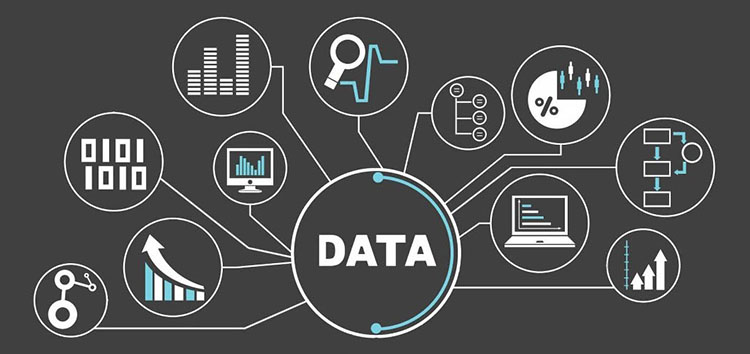
You’ve almost certainly noticed by now: data has become the world’s new currency. We deal with it every single day, in both our business and personal lives, and it quietly shapes nearly everything we do. From the moment a customer visits your website to the way your team manages inventory or schedules a delivery, data is being created, collected, and—ideally—put to work.
From “Coming Soon” to Everyday Reality
A few years ago, much of this still felt like a glimpse of the future. Not anymore. The Internet of Things isn’t a prediction; it’s the world we live in. The devices around us are “smart,” packed with sensors, and generating data constantly—from the phones in our pockets to the systems running offices, shops, and warehouses.
The same is true of artificial intelligence. What used to be described as machine learning and deep learning quietly powering “basic AI” has matured into tools your business can use right now. Generative AI assistants help draft emails, summarize documents, analyze spreadsheets, and answer customer questions. AI “agents” are beginning to handle multi-step tasks on their own. And automation—the practical, less flashy cousin of robotics—is already taking repetitive work off people’s plates so they can focus on higher-value tasks. The robots, in other words, have arrived; they just look more like software than the sci-fi version we imagined.
Why This Matters for Your Bottom Line
Here’s the part that’s easy to miss in all the excitement: data and AI only create value when the foundations beneath them are solid. Much of how we interact with customers and colleagues is determined by software, and that software relies on capable, up-to-date hardware to run efficiently. A brilliant tool running on an aging, overloaded system is like a sports car stuck in traffic.
The impact on your business is immense, and staying competitive means getting the fundamentals right:
- The proper hardware. Modern applications—especially anything AI-powered—demand reliable processing power, memory, and increasingly, devices built to handle AI workloads efficiently.
- The right connections and APIs. Your systems need to talk to each other. Well-chosen integrations let your tools share data smoothly instead of trapping it in disconnected silos.
- Enough storage, in the right place. Data volumes keep growing, and deciding what lives in the cloud, what stays on-site, and how it’s backed up is a real strategic choice.
- Solid security. As data becomes more valuable, it becomes a bigger target. Strong protection isn’t optional—and with attackers now using AI of their own, defenses have to keep pace.
- The ability to collect and interpret customer data. Gathering information is only step one. The businesses that pull ahead are the ones that turn that data into insight and use it to genuinely improve.
The Catch: Data Is a Responsibility, Too
With great data comes real responsibility. Customers and regulators alike now expect their information to be handled carefully, and privacy rules continue to tighten across nearly every industry and region. Collecting data you don’t need, storing it carelessly, or failing to secure it isn’t just a technical risk—it can damage trust and invite penalties.
The encouraging news is that good data practices and good business practices point in the same direction. Being clear about what you collect, protecting it properly, and using it to serve customers better builds the kind of trust that keeps people coming back.
You Don’t Have to Figure It Out Alone
If all of this feels like a lot, that’s completely understandable—the landscape is moving quickly, and no one can be an expert in everything. The trick isn’t to chase every shiny new trend; it’s to make deliberate choices that fit your business, your customers, and your budget.
That usually starts with a few honest questions. Where is your data today, and is it safe? Are your systems fast and reliable enough for the tools your team relies on? Are you actually using the information you collect, or is it just piling up? And where could a smart bit of automation or AI free your people to do more meaningful work? Answering those questions is exactly the kind of thing a good IT partner is there to help with.
Let’s Make Your Business More Data-Efficient
Data isn’t slowing down, and the businesses that treat it as a genuine asset—rather than a byproduct—are the ones best positioned to thrive. The goal isn’t technology for its own sake; it’s technology that quietly makes your business faster, smarter, and more competitive.
Compass IT Solutions can help. Call us for a free consultation to explore how you can improve your IT and operations and make your business more data-efficient. We’ll cut through the jargon, look at where you are today, and help you take practical steps toward where you want to be—no pressure, just clear advice you can act on.